

Hold the Gate, Build the Bridge
How will you walk with the children?
Dear Friend,
Below is a keynote I gave to attendees of an Education Funder Strategy Group + Grantmakers for Thriving Youth convening titled “The State of Students and Youth.” I am publishing it here at the request of several guests. Let me know what you think by leaving a comment below!
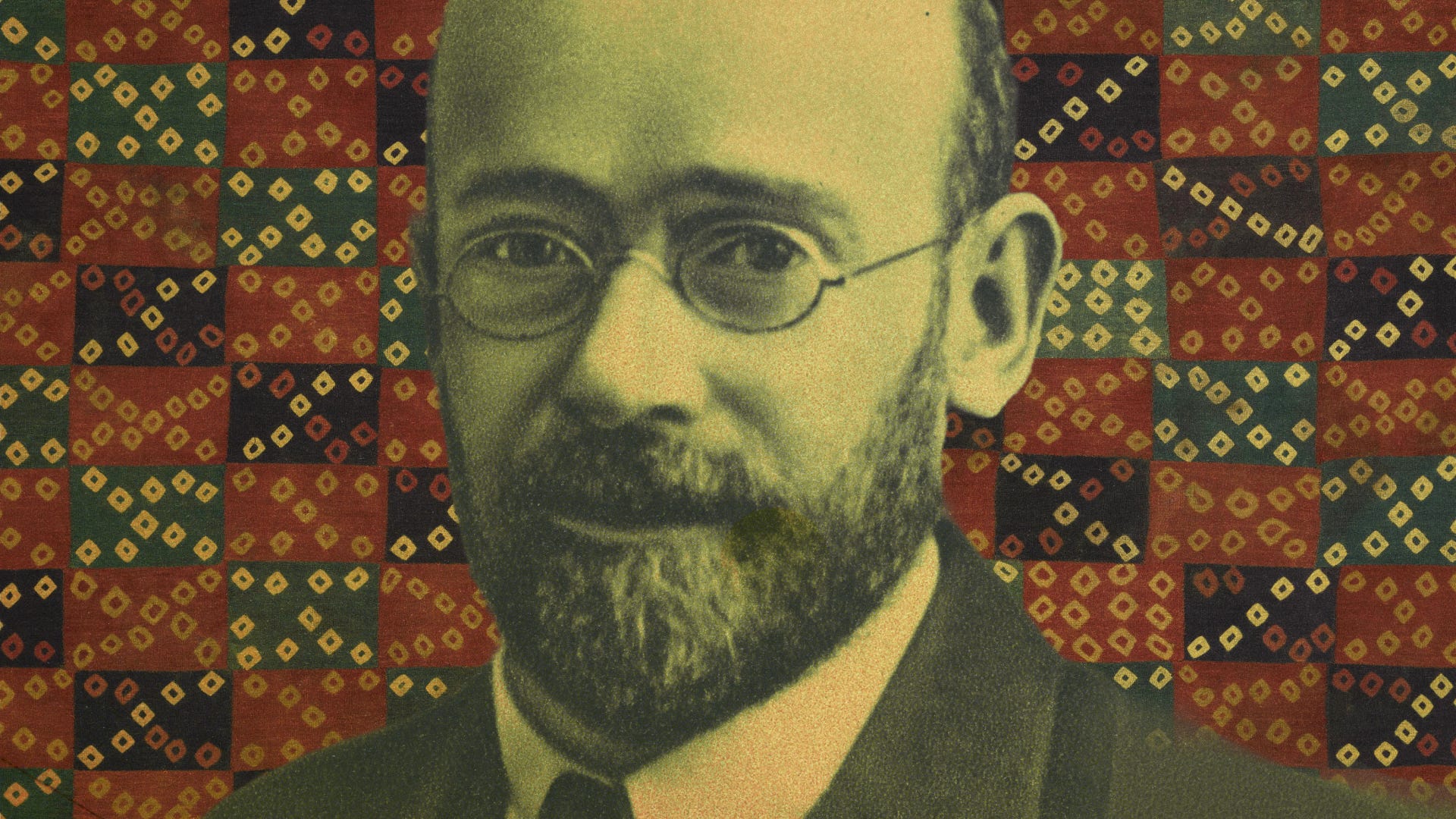
HOLD THE GATE, BUILD THE BRIDGE
Marshaling the Courage and Creativity Our Children Deserve
In this talk, I begin in a somber place. I begin there, because we are living in a serious time—one of reckoning and hard limits and danger: Mass shootings so commonplace, they don’t even rate a mention on the news. Families being rounded up and disappeared into concentration camps. We’ve accelerated past multiple climate change tipping points. Our systems of governance, rights and protections are crumbling before our eyes. There’s war, famine, pestilence, genocide… The stakes are immeasurably high, but people are fighting for our future every day—and winning. So, I begin with hardship, but I will close with hope. Let’s begin.
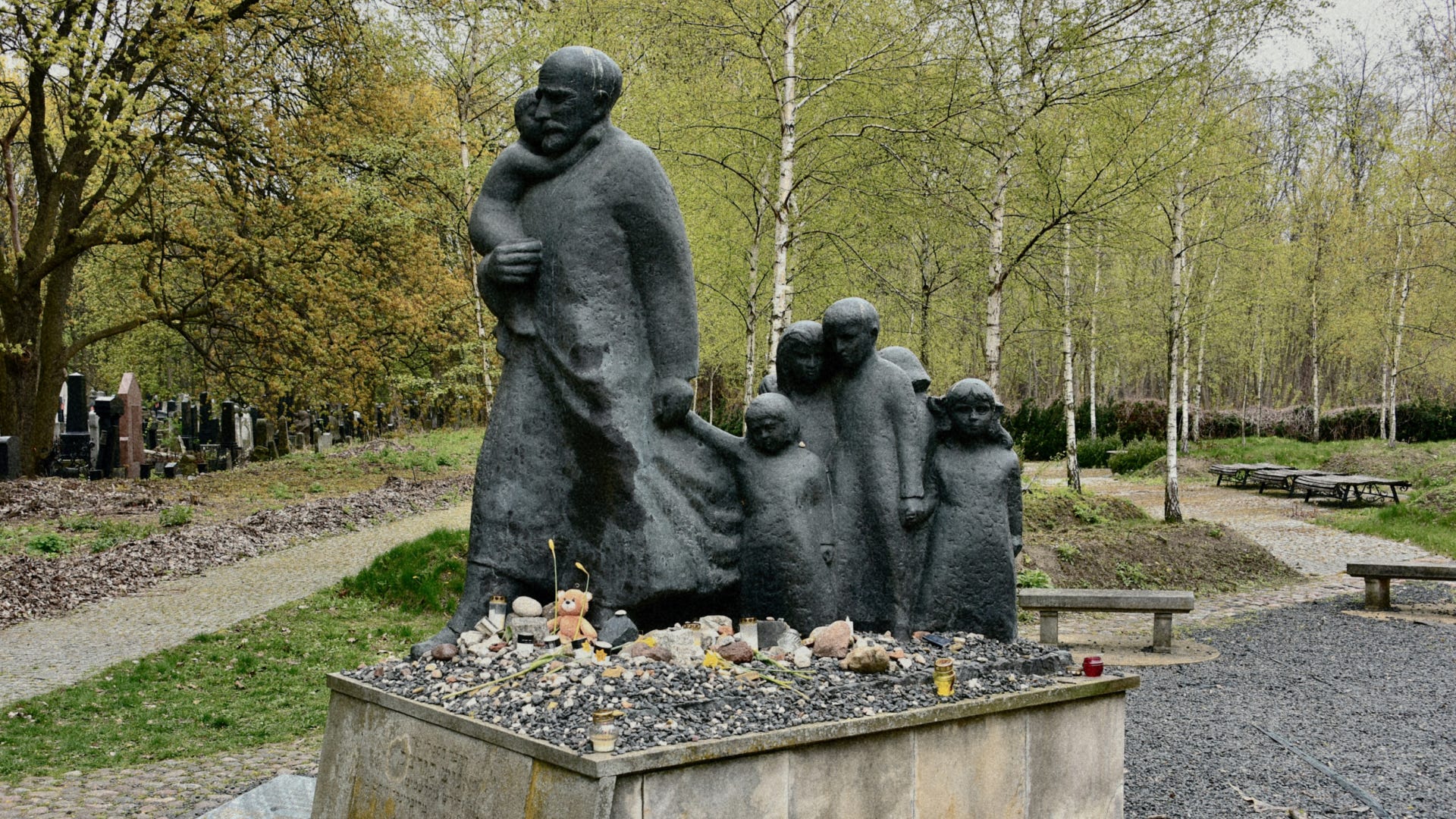
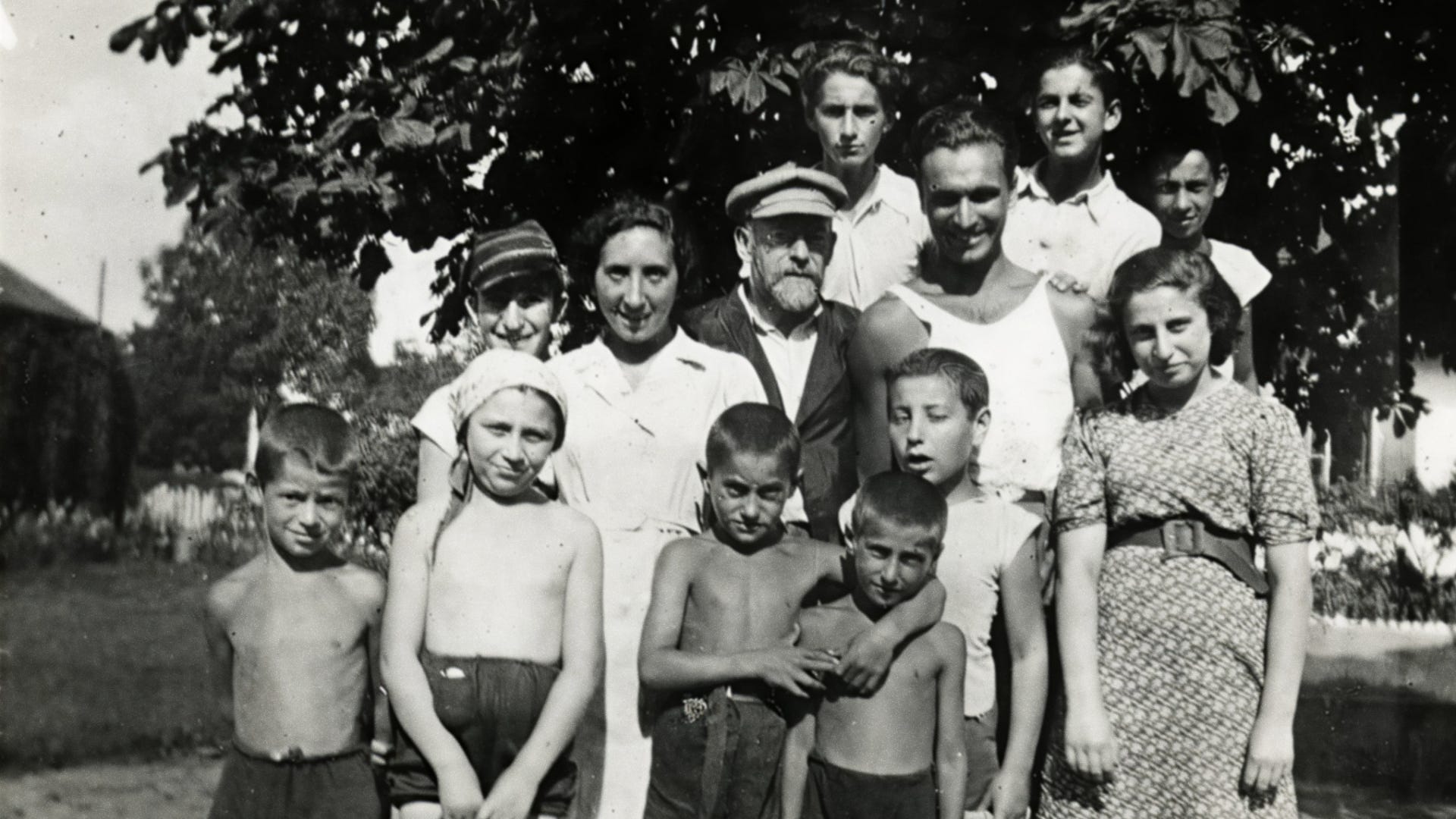
In Warsaw, Poland, on Okopowa Street, you’ll find a Jewish cemetery holding a monument to extraordinary vision and extraordinary courage. A bearded man carries a small child in the crook of his right arm, while leading another with his left hand. Behind that child, a small group of others follow. The man is Janusz Korczak, a physician and educator who ran an orphanage in the Warsaw ghetto between 1940-1942. When Nazis came to take the children to Treblinka, Korczak refused to abandon them, comforting them instead, through the journey to his death and theirs.
This fate was devastating and senseless. But it was not their whole story. In the years prior, the children had been recipients of a system of development carefully designed to promote their thriving, despite horrific circumstances. Korczak provided orphans with daily care routines, enrichment activities, a framework for self-governance and service, and learning opportunities, while meeting their basic needs. Shlomo Nadel, who experienced this system in the 1930s wrote, “No words can express how significant Korczak’s orphanage was for a child like me. Korczak and [his partner] Stefa were responsible for my having taken root, built my identity, acquired an education, and widened my horizons.”1
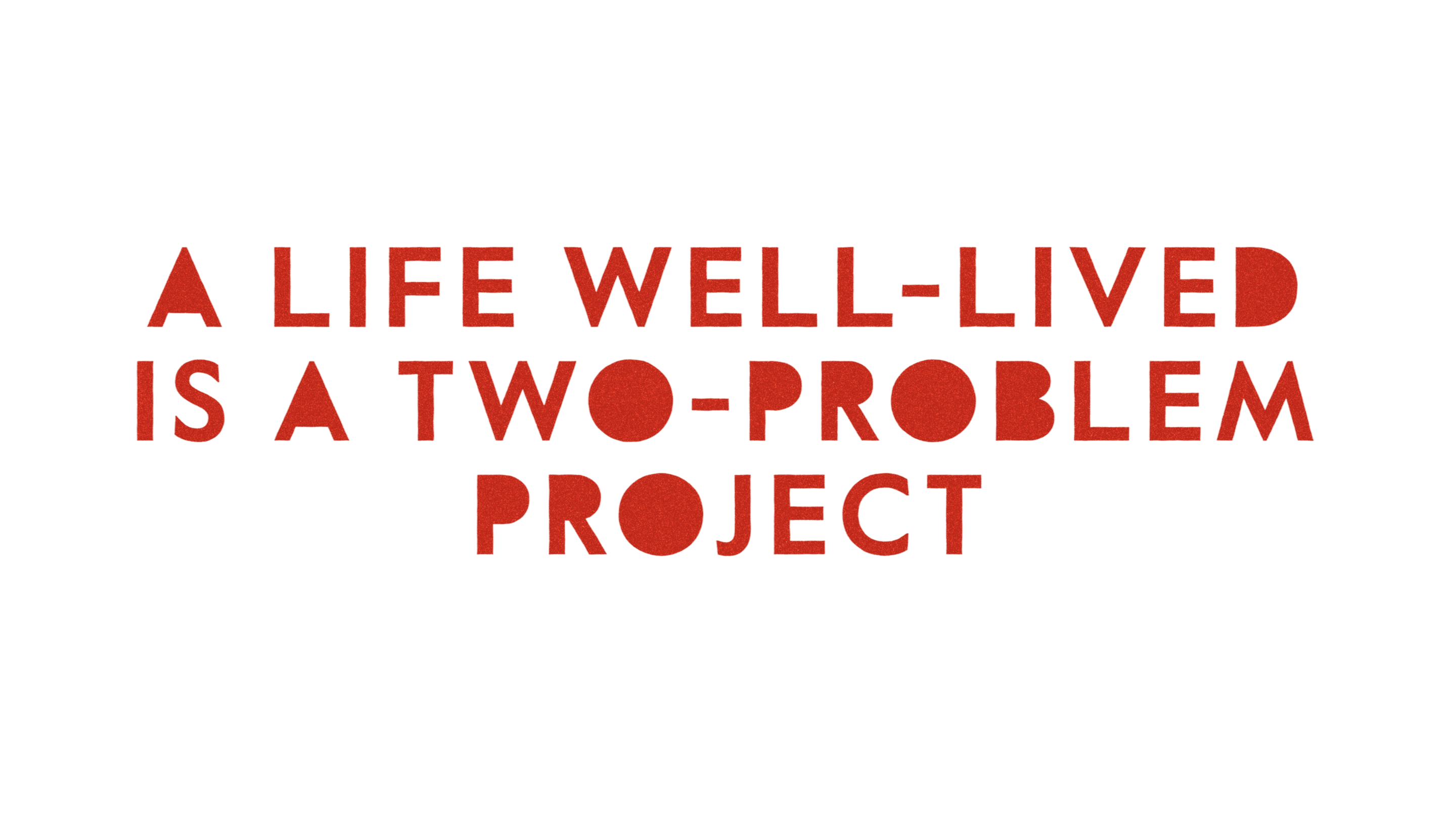
Then, as now, there were two problems to consider. The problem of the present—surviving the ghetto with dignity, despite the starvation, illness, isolation, and other daily violence.
And there was the problem of the future—creating the possibility of something different. Korczak had a vision of what needed to happen and while he lived that vision into being to the greatest of his ability, the rest would have to come later.
The truly age-old effort toward human thriving, or a good life, or a life well-lived, is also a two-problem project: what we do now, and what we design toward. When we are over-focused on suffering in the present, we can struggle to establish a vision for the future. When we lack vision, we can replicate the practices, systems, and institutions that siphon energy away from building the future we yearn to see. We must do the both/and.
Korczak was one of many souls, known and unknown, who could hold this duality. He was among those who place themselves between young people and encroaching threat. People who hold the gate, turning squarely toward danger and facing it down. Some fall, others survive. All meet their moment with profound love, bravery, and moral clarity.
Janusz Korczak was also visionary, advancing a call for children’s rights that exceeded the discourse of his time. He saw children as more than objects to whom society had a duty of care. They were whole subjects, imbued with inalienable dignity and entitled to rights and freedom. His advocacy built a bridge to The Convention on the Rights of the Child, which would be adopted almost 70 years after he called for it, and nearly a half-century after his death.
So for us, today, thriving is not just about how to achieve vibrancy or joy or happiness, it’s about how to do so without reproducing unnecessary suffering and inequity, both now and at some point that has not yet come to pass. It’s a challenge that demands education, creativity, and courage.
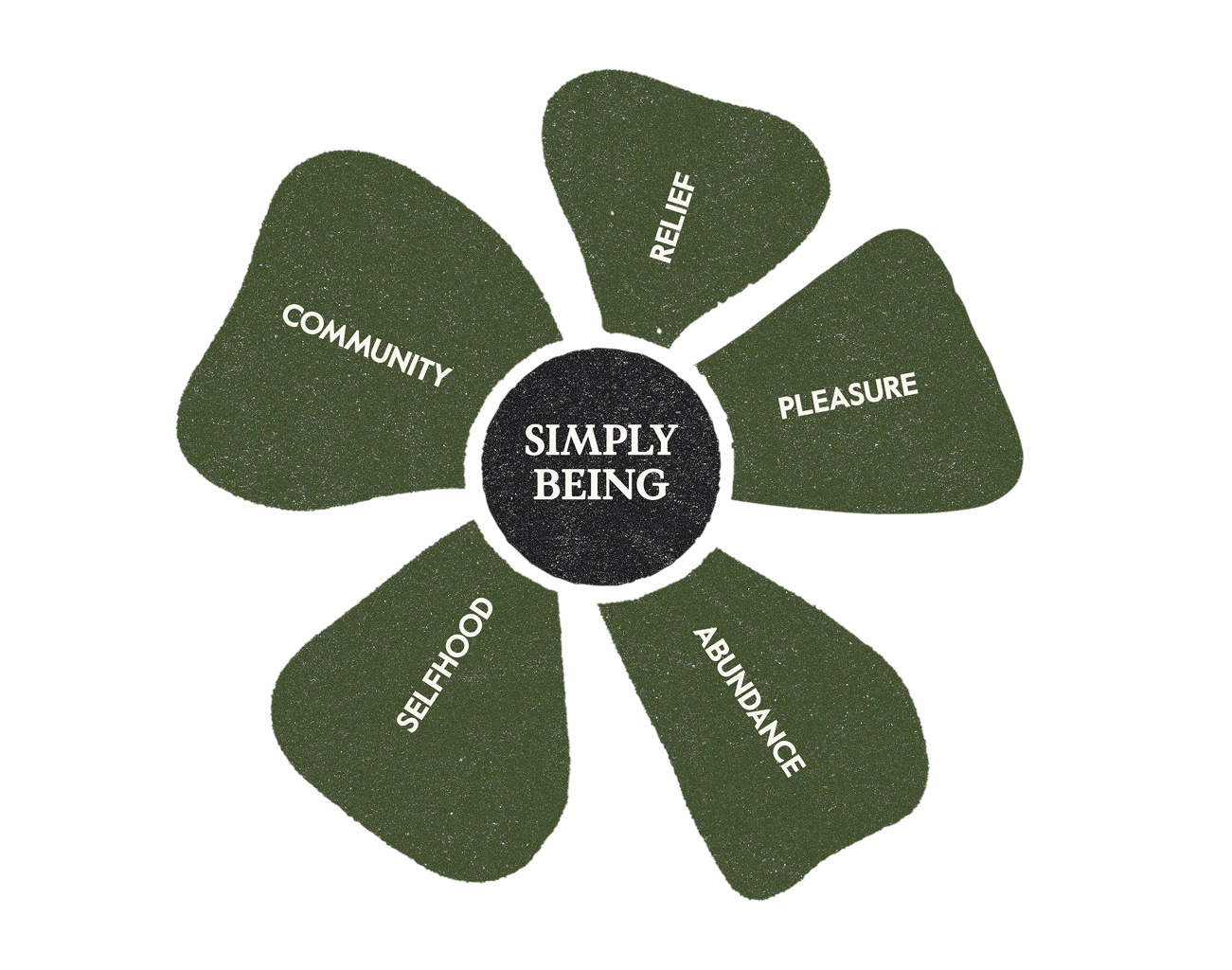
In Korczak, and others, we can see principles to guide our work—they are grounded in an old lineage marked by surprising philosophical consistency across time and space:
that we are in this together—as the children and youth go, so goes humanity;
that young people are already sacred, wise, and whole—it’s the community’s job to nurture that into expression;
that we can escape this made-up scarcity loop we’re in;
that the journey out of that loop can be, and indeed must be, full of joy and awe and play;
that part of the work is to not work so hard;
that ancient models for fully Being in balance and in reciprocity are available to us.
In my framework, these precepts align to the thriving dimensions of Community, Selfhood, Abundance, Pleasure, Relief, and Simply Being, respectively. More on that shortly.
We can respond to today’s problems anchored in a vision for tomorrow’s thriving led by the very people who have to live in that future. If we’re willing to follow them. If we’re willing to imagine. There’s hope for us yet.
Let’s return to Warsaw.
COMMUNITY
Relationships are the engines that propel both human development and survival. This can be for good or ill. Relationships influence how we come to know ourselves, how we learn to navigate the world, whether our nervous systems read our conditions as safe and, as a result, how well our other systems function. Humans need a sense of belonging. Like we need hydration. Like we need air to breathe. This is not negotiable. Exile is a death sentence.
In World War II Poland, the Jewish community’s relationship to the state left them separated, isolated, starved, and, ultimately, marked for death. Nazis were inspired by the United States’ treatment of Native Americans and enslaved Africans. Here, the methods were similar. In boarding schools, children were separated from their families, forbidden to communicate with home, violently punished for speaking their languages or observing cultural practices or resisting. On auction blocks and plantations, families were separated and sold, deprived of communication, brutalized for any perceived or manufactured transgression, and so on.
The colonial/imperial practices of back then survive in contemporary methods of segregation, control, and punishment: jails and prisons, redlining, school pushout and more. These practices, quite deliberately, are focused on severing relationships within families, communities, and society at large. They are cruel tactics designed to keep us in trauma, competition, and distraction, instead of solidarity, cooperation, and our collective power. Even in schools.
It’s a problem from the past that poses problems for our present and future.
If the goal is to thrive, our relationships need to be nurturing. They need to reflect us, authentically, back to ourselves, so that we can self-actualize and participate in our communities well. We need people to have our backs. We need to be accountable to each other. Humanity sinks or swims, foremost, at the level of community. This is true from the very beginning of life to the very end. Furthermore, the quality of our relationships has a direct impact on how quickly that end comes and how difficult our journey to it will be. The Harvard Study of Adult Development, a nearly century-long inquiry into adult well-being, found that the presence of warm, reciprocal relationships could stave off or meaningfully delay illnesses of aging. It also found that the absence of such connections could potentially accelerate them.
South African theologian Desmond Tutu has often invoked ubuntu, a long-standing African relational philosophy, which he explains thus: “‘My humanity is …inextricably bound up in yours.’ We belong to a bundle of life. We say, ‘A person is a person through other persons.’” In his 1999 book, No Future Without Forgiveness, Tutu notes that humans “belong in a greater whole and are diminished when others are humiliated or diminished, when others are tortured or oppressed.”2
In First Nations communities, including Siksika the reciprocity characterized in ubuntu can be seen in the relationship between an individual’s self-actualization and their tribe’s community-actualization. These are mutually constituting. In this context, young people are considered to be self-actualized or to have arrived already whole from birth. They arrive “inherently wise, sacred, and imbued with a spark of divinity.”3 This aligns to the Lakota concept of wakanjeja or that children are sacred gifts. The community’s job is to tend that person’s wholeness into authentic expression through care, education, ceremony, and more. In turn, the human who is able to remain whole can contribute to the well-being of their community without having to battle through the traumas caused by erasure or stigma, and so on.
As in Africa, as in North America, Janusz Korczak’s orphanages in Europe represented a refusal to leave the community’s children in exile, but deeper than that, the program of development he implemented recognized each child’s inherent wholeness and genius. In the Dom Sierot orphanage, walled off in the Warsaw ghetto, nearly 200 children participated in a working democracy. There was a local government council, a peer court, and a children’s parliament. Adults deferred to the children and the children all contributed to the health of the larger community.
Korczak believed that children’s self-governance could quote “become the nucleus of emancipation, pave the way to a constitution, make unavoidable the promulgation of the Declaration of Children’s Rights.”4 He went on to assert, “the child is entitled to be taken seriously, that his affairs be considered fairly.” Inside Dom Sierot, the child was a sovereign, self-determined subject.
And, just as the lineage of violence inherent in colonialism and empire can be traced right into our present, so too can the lineages of ubuntu, wakanjeja, and children’s dignity and rights. There are numerous powerful mentoring programs, Montessori, community, and freedom schools. Gentle parenting has become a thing. And more. These efforts lay a foundation, not only for healthy child and youth development, but also a lifetime of self-love and self-actualization. They hold the gate and build the bridge at the same time.
SELFHOOD
Speaking of self-love and self-actualization brings us to the dimension of Selfhood. I noted earlier that belonging is a fundamental human need, so too is a sense of integrated identity. In a way, it’s like belonging to ourselves. What this means is that we accept the various aspects of who we are as part of a unified whole. For example, we live in a breathtakingly ableist society, so it could be easy to internalize that one’s disability is a site of shame—the forgetfulness of some ADHD or the physical limitations of a chronic illness like ME/CFS—but, stigma research shows us that when people come to understand that ableism is an external, socially imposed issue and when they can find pride in group membership, their disabled identity can be more easily integrated.
Relatedly, Critical Positive Youth Development scholarship points to the importance of building a kind of resistant identity that:
rejects harmful, limiting ideas about who or what one should or can be;
appraises the power dimensions embedded in those impositions;
shores up a young person’s ability to be exactly who they are.
When we center people at society’s margins, well-being often demands an ability to act to make social change. In Korczak’s Dom Sierot, there was an orphanage newspaper written by children for children called The Little Review. It was meant to promote self-expression, independence, a sense of self-efficacy, and an ethic of community responsibility. Korczak’s orphans were under profound existential threat from a government that wanted them to feel less than human, to accept their disposability, aligning to what Patricia Williams would call “spirit-murder.” Instead, they had a platform and authority. Their selfhood was affirmed. They had a right to be exactly who they already were and to have that celebrated.
The selfhood dimension of thriving is grounded in authentic, often resistant, self-knowledge, self-love, self-determination, and self-actualization. In the most extreme cases, at the boarding school, on the plantation, in the detention center or the ghetto every attempt is made to strip people of these—cutting hair, banning cultural practices, erasing language, forbidding music, stigmatizing expression, branding the body, punishing existence. And even in the spaces we deem “normal,” there’s been a long-standing campaign to mold people into the shape of the system or institution or society, instead of expanding to hold who they truly are. There’s a sort of assembly-line pathway to success or opportunity, to relative-safety-in-the-context, but this is not thriving. This is governed by a mindset of scarcity. That brings us to the next thriving dimension: Abundance.
ABUNDANCE
Claiming a right to thrive, designing pathways to thriving, persevering toward thriving despite hardship—these are all abundance mindset in action. When Anna Julia Cooper refused to limit the educational opportunities available to Black children, she was taking a stance of expansiveness—more was possible, indeed more was required. When Shawn Ginwright asked young people “what’s right with you?” he was leading with love and inviting a counterstory to the idea that children are problems to be solved. Both were interruptions of the status quo. Both increased the scope of possibility in the world.
In fact, Angela Davis counseled that, “You have to act as if it were possible to radically transform the world. And you have to do it all the time.”5 So, it’s resonant, then, that James Baldwin said, “Hope is invented every day”6 and Mariame Kaba asserted that “Hope is a discipline.”7 In a world full of suffering and hardship, hope is necessary, but it takes work.
When considering such ideas I turn to Jeff Duncan-Andrade’s exploration of critical hope, or “a committed and active struggle ‘to change the deadly tides of [inequality, bigotry, and despair.]’” Critical hope requires that we connect our “moral outrage to action aimed at resolving undeserved suffering.”8 It requires that we give young people the resources to deal with the forces that affect their lives, that we have the courage to face pain, examine it, and honor young people’s righteous indignation, that we act in solidarity defy dominant ideologies that render some bodies privileged and others disposable.
Korczak’s work was critical hope in action. He struggled to find food and medicine every day in the Warsaw ghetto—his daily search was how he held the gate—but he also organized lectures, concerts, and theatrical performances—building the bridge.
The problem of Korczak’s present was twofold: first, there was an existing culture that demeaned children and, second, there was a political movement to exploit and eradicate Jewish people, including their children. Korczak answered the first problem with his robust advocacy for children’s rights—abundance as respect, dreaming, and counterstorying—he answered the second problem with his efforts to relieve orphan’s suffering, fear, and isolation—abundance as love, courage, and resourcing.
The problem of the future was then, and still is now, to design a world without such oppression and to manage its antecedents: fear, ego, greed, and disconnection from one’s spirit. Along the way, legislation like the Declaration of Children’s Rights, IDEA in the U.S., and that tied to South Africa’s Truth and Reconciliation effort has sought to put guardrails around human behavior, to instantiate protections, but, as Robin Wall Kimmerer notes, “scarcity and plenty are as much qualities of the mind and spirit as they are of the economy.” In other words, legislation is not enough. This is a battle of beliefs and connection (and you see how we end up back at community). The abundance element is both the belief that we can win, and the creativity required to struggle effectively. And remembering that to resource ourselves in the struggle, we need pleasure, too.
PLEASURE
It’s no surprise that pleasure is a key dimension of thriving. We seek happiness with vigor. We’ve even declared its pursuit an inalienable right. Aspects of pleasure can also be protective. For example, when we labor in alignment with a sense of authentic purpose, it can be a source of both enjoyment and identity integrity. It can help stave off depression and despair. And, here, we can see that this dimension, pleasure, and the next one, relief, are actually related. They can work as a team.
Let’s begin with one of humanity’s most powerful practices: play. At the start of this talk, I highlighted the importance of community to the project of human thriving. Well, play is one of our best ways to build and solidify community. Dr. Jacqueline Harding, for example, explores the connection between laughter, brain chemicals, and building emotional bonds, as well as the powerful work play does in the brain. Play also helps us gain clarity about ourselves—what we prefer, what gives us joy, how we can collaborate well, and so on. It can be a site of abundance, as we use our imaginations to make up games or role play. It can also be a source of relief. We can let off steam, find belonging, breathe deeply. We can even enter a state of flow, leaving time and worries behind—simply being with ourselves and others in a moment of joyful possibility. Play is magical. It’s brain food! It’s also a core aspect of healthy human development.
Korczak wrote “A game is not so much the child’s medium as the only sphere in which he is allowed to display more or less initiative. When participating in a game, the child feels to some degree independent. Everything else is a transient favor, a temporary concession, whereas to play is the child’s right.”9 And, indeed several states, including Massachusetts and California have developed guidance for schools tied to learning through play—not just in preschool, but into later grades. When we note Marc Brackett’s finding that 75% of adolescents have largely negative associations with school characterized by feeling “bored, tired, and stressed,”10 we can see how powerful play could be. And where oppression, for example, steals youthfulness by adultifying Black, Latinx, and Indigenous children, undermining their sense of safety in the world, stifling creativity, risk taking, and growth mindset, and creating debilitating, life-truncating stress, PLAY reinstates the young person’s right to being young, their right to joy, to imagination, to connection. To relief.
RELIEF
While much of the world’s current suffering is human-made and unnecessary, some difficulty is not only a part of life, it’s required for the development of compassion and empathy. Suffering and spiritual fortitude go hand-in-hand. Nevertheless, one aspect of designing for thriving is designing for relief, whether from the hardship that’s been manufactured or that which comes with being a human being full stop.
We can certainly tackle the importance of rest: eliminating light and noise pollution, building schedules that align to real circadian rhythms, and so on. We can also borrow from some very cool research that shows us the power of a pleasure-relief partnership. For example, Kramer and Leitao found that laughter can significantly reduce levels of the stress hormone cortisol.11 Hunter, Gillespie, and Chen found that outdoor experiences in nature had a similar effect.12 Marina Saskovets and colleagues found that studies suggest “music, especially classical and self-selected pieces, effectively reduces physiological stress markers, including cortisol levels, heart rate variability, and blood pressure.”13 Finally, Larrabee Sønderlund found that “current evidence strongly indicates that the more socially connected individuals are, the less likely they are to experience chronic stress and associated allostatic load.”14
This aligns to what the Science of Learning and Development has also shown: first, of course, that stress can undermine learning and cognition. Alternatively, neurological connections are developed when we use symbol systems found in math, music, and art; and when we engage in inquiry activities like play; and when we do movement like dance; and when we’re outdoors in green space. That’s why so many countries privilege these things in their educational design, including Finland, which sends its youngest students to play outside every hour, even in the snow.
The problem of today is a fight to design conditions for young people’s full participation in the world they’ve inherited—to hold the gate. Maybe that means better school design or more recreation or opening more third spaces. Maybe that means eliminating family separation or enacting gun control. The problem of the future is to build a world where full participation is already established, where each of us can exist in fullness, or simply be, in ways that are reciprocal, balanced, and vibrant—where we have already built the bridge.
We have work to do.
Korczak was one of many powerful examples of what one person can imagine and implement.
He was courageous: He walked with the children not just figuratively during their banishment, but also literally in their last terrifying days.
And, even in the face of horror, he was creative: He gave children a good life, marked by a sense of empowerment, purpose, joy, connection, steady predictability, and self-actualization. Like so many others, he could neither finish the work, nor see it come to fruition, but he stood fast in the breach and shored up the foundation of a better future.
His time is past. Now, it’s our turn.
Think about what role you can play in our collective thriving project. How can you walk with the young people in true solidarity and reciprocity? In this moment of apocalypse, what hope, creativity, and courage can you marshal? Where can you hold the gate? How might you build toward a vision that fills you with yearning?
[For those attending the talk, I noted that we would tackled those questions later in the program, but for the time being, I thanked them for their kind attention and bid them adieu.]
Lipiner, L. (2015). Taking root: My life as a child of Janusz Korczak, the father of children’s rights. The biography of Shlomo Nadel. Office of the Provincial Advocate for Children and Youth.
Tutu, D. (1999). No future without forgiveness. Rider & Co.
Ravilochan, T. (2021, April 04). Could the Blackfoot wisdom that inspired Maslow guide us now? GatherFor. https://gatherfor.medium.com/maslow-got-it-wrong-ae45d6217a8c
Korczak, J. (2018). How to love a child. Vallentine Mitchell.
Davis, A. (2014, February 13). Angela Davis, live at Southern Illinois University Carbondale, Q&A post lecture as noted by Dr Jonathan Flowers in a post contemporaneously shared on Tumblr
Adelsen, C. E. (1970, March). “A love affair: James Baldwin and Istanbul.” Ebony Magazine, 40-46.
Intercepted (2021, March 17). Hope is a discipline: Mariame Kaba on dismantling the carceral state. The Intercept. https://theintercept.com/2021/03/17/intercepted-mariame-kaba-abolitionist-organizing/
Duncan-Andrade, J.M.R. (2009). Note to educators: Hope required when growing roses in concrete. Harvard Educational Review 79(2), 181-194.
Korczak, J. (2018). How to love a child. Vallentine Mitchell.
Brackett, M. (2019). Permission to feel. Celadon Books.
Kramer, C.K. & Leitao, C.B. (2023). Laughter as medicine: A systematic review and meta-analysis of interventional studies evaluating the impact of spontaneous laughter on cortisol levels. PLOS ONE. https://doi.org/10.1371/journal.pone.0286260
Hunter, M.R., Gillespie, B.W., & Chen, S.Y.-P. (2019). Urban nature experiences reduce stress in the context of daily life based on salivary biomarkers. Frontiers in Psychology 10. https://doi.org/10.3389/fpsyg.2019.00722
Saskovets M., Saponkova I., Liang Z. (2025). Effects of sound interventions on the mental stress response in adults: Scoping review. JMIR Mental Health 12. doi: 10.2196/69120
Larrabee Sonderlund, A., Thilsing, T., & Sondergaard, J. (2019). Should social disconnectedness be included in primary-care screening for cardiometabolic disease? A systematic review of the relationship between everyday stress, social connectedness, and allostatic load. PLoS One 14(12), 1-22. https://doi.org/10.1371/journal.pone.0226717